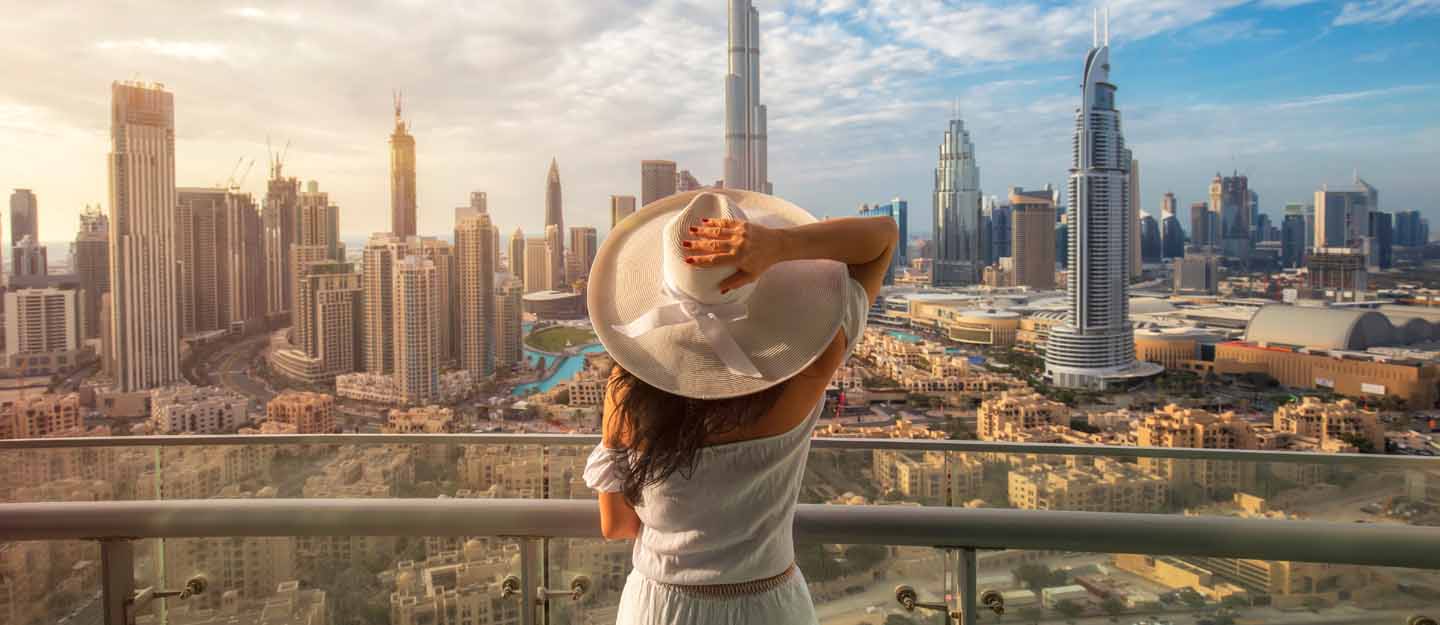
Dubai packs more variety into a few square kilometres than almost anywhere on earth — the world’s tallest building, vast golden deserts, traditional souks unchanged for generations, palm-shaped islands, and beaches with skyscraper backdrops. It can feel overwhelming to plan. After years living here, we’ve distilled it down to the 22 experiences that genuinely matter, grouped so you can build sensible days without zig-zagging across the city. Every entry includes a rough cost in dirhams (AED) and a local tip, and there’s a sample day-by-day plan and a big FAQ at the end.
🎯 Quick Answer — Dubai’s Unmissable Experiences
The big four: Burj Khalifa + Dubai Mall + Dubai Fountain, a desert safari, Old Dubai (souks + abra), and a beach day.
Add if you have time: Museum of the Future, Palm Jumeirah, a theme park (great with kids), Global Village (winter only).
Free highlights: Dubai Fountain show, Marina & JBR walks, public beaches, Al Fahidi, abra ride (~AED 1).
How long: 3-4 days covers the icons comfortably; 5-7 adds theme parks, day trips, and downtime.
📋 In This Guide
The Iconic Landmarks
These are the postcard sights — the ones that define Dubai’s skyline and appear on every first-timer’s list. They’re clustered around Downtown and the financial district, so you can group several into a single day.
Burj Khalifa — At the Top
The world’s tallest building at over 828 metres dominates the skyline and is the single most-visited sight in the city. The At the Top observation decks on levels 124-125 deliver sweeping views over the city, coast, and desert; the higher At the Top SKY on level 148 costs more but is quieter, higher, and includes a lounge. On a clear day you can see for miles, and at night the city becomes a carpet of light beneath you.
💡 Local tip: Book online days ahead and choose a slot around 30 minutes before sunset — you’ll see the city in daylight, at golden hour, and lit up at night, all in one visit. Sunset slots sell out first.
The Dubai Mall & Dubai Fountain
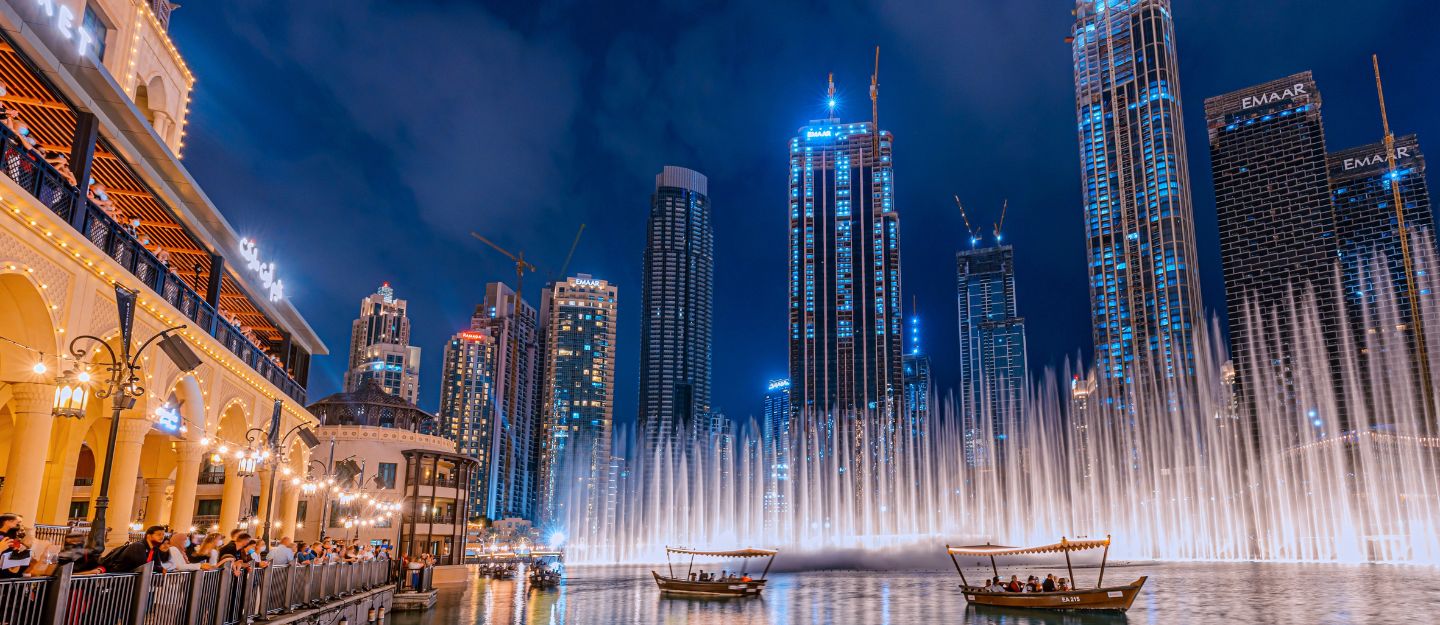
One of the world’s largest malls — and far more than shopping. Inside you’ll find the Dubai Aquarium & Underwater Zoo, an Olympic-size ice rink, a cinema, and hundreds of restaurants. Outside, on the lake between the mall and the tower, the Dubai Fountain performs choreographed water-and-light shows set to music every 30 minutes each evening — completely free to watch from the waterfront promenade. The mall connects directly to the base of the Burj Khalifa, making this an easy combined visit.
💡 Local tip: Grab a spot on the promenade or a waterfront restaurant terrace about 10 minutes before the show. The boardwalk fills quickly in peak season.
Museum of the Future
The striking torus-shaped building wrapped in Arabic calligraphy, near DIFC, has been called one of the most beautiful buildings in the world. Inside, immersive, theatrical exhibits imagine future technology, space travel, and ecology — it’s as much an experience as a museum. Tickets are timed and regularly sell out, so book ahead. Even if you don’t go inside, it’s one of the city’s best photo stops.
💡 Local tip: Aim for an early-morning or late-afternoon slot to avoid the busiest crowds and harsh midday light for photos.
Dubai Frame
A 150-metre golden picture-frame structure straddling old and new Dubai, with a glass-floored sky bridge connecting the two towers. The views deliberately contrast the historic districts on one side with the gleaming modern skyline on the other — a neat physical encapsulation of the city’s rapid transformation. Good value compared with other view points.
Old Dubai & Culture
Beyond the skyscrapers, the historic heart of the city around Dubai Creek tells a very different story — of pearl divers, traders, and wind-tower houses. This is where Dubai feels most authentic, and most of it is free.
Al Fahidi Historical Neighbourhood
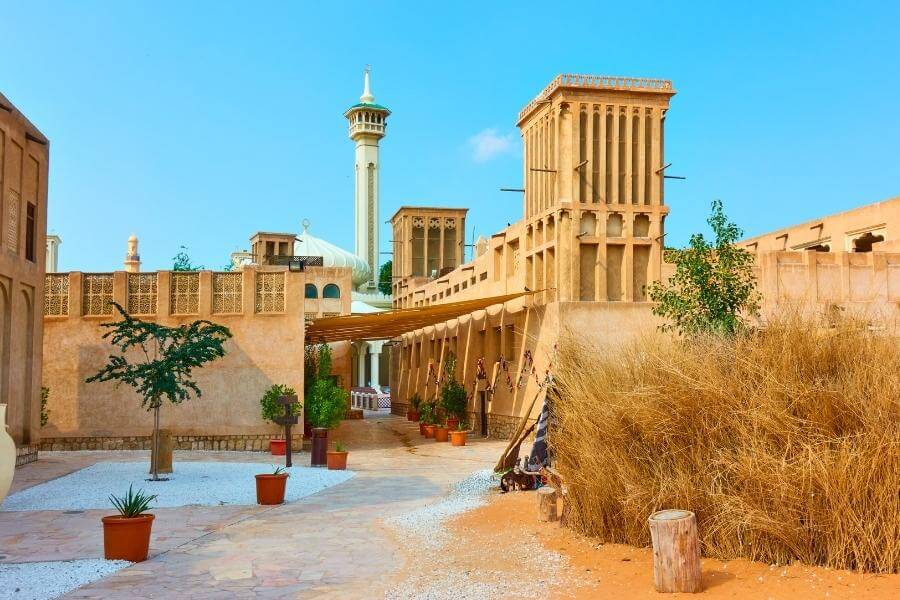
Dubai’s oldest district (also called Al Bastakiya) is a maze of restored wind-tower buildings, art galleries, courtyard cafés, and small museums. It’s the best place to picture pre-oil Dubai and escape the skyscrapers for an hour or two. Wander slowly, stop for Emirati coffee and dates, and visit the Coffee Museum or one of the art spaces. Combine it with the nearby Dubai Museum area and the Al Seef waterfront.
💡 Local tip: Visit in the morning or late afternoon — midday sun in the open lanes is intense, especially outside winter.
The Souks & an Abra Ride
Cross Dubai Creek on a traditional wooden abra (water taxi) for about AED 1 — one of the city’s best-value and most atmospheric experiences. On the Deira side, explore the glittering Gold Souk, where shop windows drip with jewellery, and the aromatic Spice Souk, piled high with saffron, frankincense, and dried fruits. On the Bur Dubai side sits the Textile Souk. Bargaining is expected — start low, stay friendly, and walk away if the price isn’t right.
💡 Local tip: Carry small cash for the abra and souks. Gold is sold by weight at the day’s rate plus a making charge, so compare a couple of shops before buying.
Jumeirah Mosque
One of the few mosques in Dubai open to non-Muslim visitors, via guided “Open Doors, Open Minds” tours run by the Sheikh Mohammed Centre for Cultural Understanding. It’s a respectful, genuinely informative way to learn about Emirati culture and Islam, with time for questions. Dress modestly; traditional dress is provided if needed.
Al Shindagha Museum
On the historic Shindagha peninsula where Dubai’s ruling family once lived, this riverside museum complex traces the city’s journey from fishing and pearling village to global metropolis. Well-curated and modern inside heritage buildings, it’s an excellent companion to a souk-and-abra morning.
Desert & Outdoor Adventures
Dubai is a desert city, and getting out into the dunes is one of its defining experiences — a complete contrast to the glass and steel of Downtown.
Desert Safari
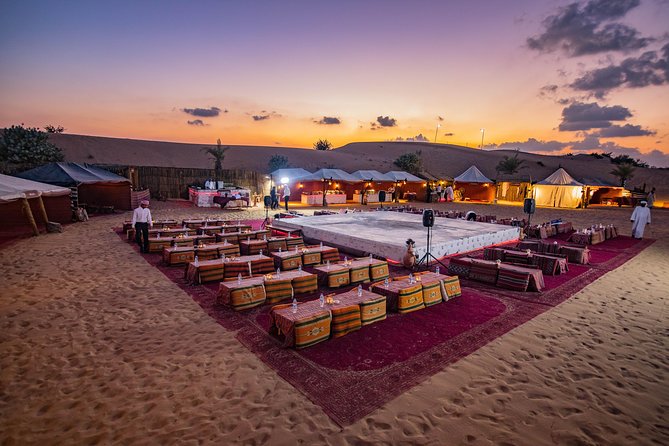
A Dubai rite of passage. Evening safaris typically include 4x4 dune bashing over the sand, sandboarding, camel rides, henna and traditional dress for photos, sunset dune views, and a Bedouin-style camp dinner with belly dancing, fire shows, and a spinning tanoura performance. Morning safaris are quieter and cooler; premium overnight desert-camp stays offer stargazing and a slower pace.
💡 Local tip: If you’re prone to motion sickness, ask for gentler dune driving and sit in the front. Wear closed shoes you don’t mind getting sandy.
Hot-Air Balloon over the Desert
For a splurge, drift over the dunes at sunrise in a hot-air balloon, often with falconry displays and wildlife sightings — oryx and gazelles — in the conservation reserve below. A serene, photogenic contrast to the adrenaline of dune bashing, and a genuine bucket-list moment.
Hatta Day Trip
A mountain enclave about 90 minutes from the city, with the turquoise Hatta Dam (kayaking and pedal boats), hiking and mountain-biking trails, a heritage village, and noticeably cooler air. A great half- or full-day escape from the urban pace, especially appealing in the cooler months from October to April.
Al Qudra Lakes & Love Lake
A cluster of man-made desert lakes that have become a haven for migratory birds, cyclists, and picnickers. Heart-shaped Love Lake is a popular sunset and stargazing spot. Bring water and a picnic; there’s little shade, so go early or late in the day.
Beaches & Waterfront
Dubai’s coastline mixes free public beaches with glamorous beach clubs, all backed by that unmistakable skyline.
Kite Beach & the Burj Al Arab View
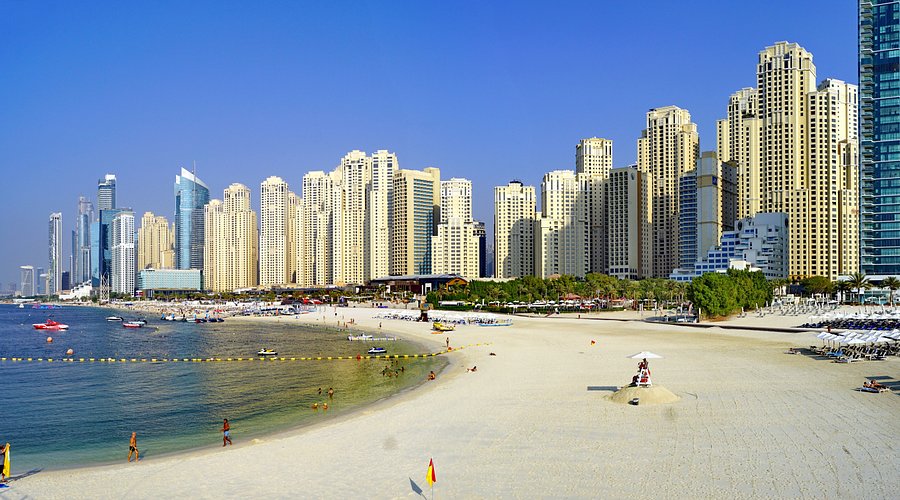
A lively free public beach with soft sand, watersports, a running track, skate park, and food trucks — plus one of the best views of the sail-shaped Burj Al Arab. Great for a relaxed half-day, sunset photos, and casual eats without a beach-club bill.
JBR Beach & The Walk
Jumeirah Beach Residence offers a buzzing beachfront strip — The Walk and The Beach — packed with restaurants, shops, a cinema, and a free public beach with showers and loungers for hire. Stroll the Marina promenade next door for skyscraper views and yacht-lined water, especially pleasant after sunset.
Palm Jumeirah & The View
The iconic man-made palm-shaped island. Even without staying there, you can visit beach clubs, dine at The Pointe and Nakheel Mall facing Atlantis, ride The View at The Palm observation deck for a sense of the island’s scale, or take the monorail along its trunk. Atlantis itself anchors the crescent with its aquarium and waterpark.
Ain Dubai & Bluewaters Island
Ain Dubai is the world’s largest observation wheel, on Bluewaters Island just off JBR. Whether or not it’s spinning during your visit, Bluewaters is a pleasant waterfront for dining and a stroll, connected to JBR by a footbridge.
Family & Theme Parks
Dubai is exceptionally family-friendly, with world-class theme parks and indoor attractions that double as heat-proof options in summer.
Aquaventure Waterpark (Atlantis)
One of the world’s largest waterparks at Atlantis, The Palm — record-breaking slides, a long lazy river, private beach access, and marine encounters. The adjacent Lost Chambers Aquarium is a calmer option for younger children and rainy-day-equivalent heat days.
Theme Parks: MOTIONGATE, LEGOLAND & IMG
Dubai’s big theme-park cluster includes MOTIONGATE (Hollywood-themed rides), LEGOLAND Dubai and LEGOLAND Water Park (ideal for younger children), and across the city IMG Worlds of Adventure, one of the largest indoor theme parks on earth — fully air-conditioned and perfect for summer.
Dubai Aquarium & Underwater Zoo
A giant viewing panel inside Dubai Mall lets you watch sharks and rays for free from the walkway, while tickets get you into the walk-through tunnel and Underwater Zoo upstairs. An easy, cool, low-effort activity to fold into a mall visit — popular with kids.
Global Village
Open roughly October to April, Global Village is a huge open-air culture-and-entertainment park with pavilions from dozens of countries, street food from around the world, live shows, fairground rides, and shopping. Excellent value for an evening of family entertainment and one of the city’s most beloved seasonal attractions.
💡 Local tip: Go on a weekday evening to avoid the busiest weekend crowds, and arrive hungry — the street food is the highlight.
Dubai After Dark
Dubai’s heat means a lot of life happens in the evening, when temperatures drop and the city lights up.
Dhow Cruise Dinner
Glide along Dubai Creek or Dubai Marina on a traditional wooden dhow with a buffet dinner and views of the illuminated waterfront. The Creek cruises lean traditional and atmospheric; the Marina cruises showcase the modern skyline. A relaxed, romantic evening option.
Rooftops, Beach Clubs & Late-Night Malls
After sunset, choose your vibe: rooftop lounges with skyline views, beachfront clubs along Palm Jumeirah and JBR, waterfront dining at The Pointe, or simply late-night shopping and people-watching at the malls, which stay open until midnight. The Dubai Fountain’s final shows make a free, spectacular nightcap.
Free Things to Do in Dubai
Dubai has a reputation for luxury, but many of its best experiences cost nothing at all:
- Dubai Fountain show — free choreographed shows every 30 minutes each evening
- Public beaches — Kite Beach, JBR Beach, and Al Mamzar are free to enjoy
- Marina & JBR walks — promenade strolls with skyline and yacht views
- Al Fahidi Historical Neighbourhood — free to wander the heritage lanes
- Window-shopping the souks — the Gold and Spice Souks are an experience in themselves
- Abra ride — about AED 1 to cross Dubai Creek (as close to free as it gets)
- Museum of the Future & Dubai Frame exteriors — striking photo stops at no cost
- Al Qudra & Love Lake — free desert lakes for picnics and sunsets
- City Walk & La Mer — open-air districts pleasant to stroll for free
Typical Attraction Costs (2026)
Rough indicative starting prices to help you budget. Prices vary by season, time slot, and how far ahead you book:
| Attraction / Experience | Approx. from (AED) | Notes |
|---|---|---|
| Burj Khalifa — At the Top (124/125) | ~169 | Higher for SKY (148) & sunset slots |
| Museum of the Future | ~159 | Timed tickets, book ahead |
| Dubai Frame | ~50 | Good-value viewpoint |
| Desert safari (evening) | ~150 | Includes dinner & transfers |
| Aquaventure Waterpark | ~300 | Cheaper booked online |
| Theme parks (MOTIONGATE/LEGOLAND/IMG) | ~300 | Multi-park passes available |
| Dubai Aquarium & Underwater Zoo | ~140 | Viewing panel free from mall |
| Global Village (seasonal) | ~90 | Oct-Apr only; great value |
| Dhow cruise dinner | ~150 | Creek or Marina |
| Abra ride across the Creek | ~1 | The city’s best bargain |
How to Plan Your Days
A simple way to group attractions so you’re not crisscrossing the city in traffic:
Day 1 — Downtown icons
Burj Khalifa (sunset slot), Dubai Mall, the Dubai Aquarium, and the Dubai Fountain show in the evening. Everything here is walkable from the Burj Khalifa/Dubai Mall Metro station.
Day 2 — Old Dubai
Al Fahidi and Al Shindagha Museum in the morning, the abra crossing and the Gold and Spice Souks around midday, then the Museum of the Future or Dubai Frame in the afternoon.
Day 3 — Desert & beach
A relaxed beach morning at Kite Beach or JBR, then an evening desert safari finishing with a camp dinner under the stars.
Day 4+ — Palm, parks & day trips
Palm Jumeirah and The View, a theme park or waterpark (great with kids), Global Village in winter evenings, or a Hatta day trip for mountains and a change of scenery.
Practical Tips for Visitors
- Getting around: The Metro (with a Nol card) is cheap and links Downtown, the malls, and the Marina; use taxis or ride-hailing for Old Dubai and the desert. See our Metro guide.
- Dress code: Dubai is relaxed but modest in public — cover shoulders and knees at malls, souks, and mosques. Beachwear is for the beach and pool only.
- Best season: November to March for outdoor sightseeing; summer for lower prices and indoor attractions.
- Book big attractions online: Burj Khalifa, Museum of the Future, and theme parks are cheaper and guarantee entry when booked ahead.
- Carry some cash: for abras, souks, and small vendors — though cards work almost everywhere.
- Respect local customs: public decorum, no public intoxication, and extra sensitivity during Ramadan (daytime eating in public is restricted).
- Stay hydrated: the dry heat is deceptive — carry water, especially outdoors.
Frequently Asked Questions
What are the top things to do for first-timers?
Burj Khalifa + Dubai Mall + Dubai Fountain, a desert safari, Old Dubai (souks + abra), and a beach day cover the essentials and can be done comfortably in 3-4 days.
How many days do you need in Dubai?
Three to four days for the highlights; five to seven to add theme parks, day trips, and a slower pace.
What is the number one attraction?
The Burj Khalifa — the world’s tallest building, with observation decks beside Dubai Mall and the Dubai Fountain.
Is a desert safari worth it?
Yes — dune bashing, camel rides, sunset dunes, and a camp dinner make it a memorable contrast to the city. Book an evening safari.
What can you do for free?
The Dubai Fountain show, public beaches, Marina/JBR walks, Al Fahidi, the souks, and a near-free abra ride across the Creek.
What shouldn’t I miss?
The Burj Khalifa view, the Dubai Fountain, a desert safari, and Old Dubai — together they capture the city’s futuristic-meets-traditional character.
What is the best time of year to visit Dubai?
November to March, with pleasant 20-30°C weather ideal for outdoor sightseeing. It’s peak season, so busier and pricier. Summer is hot but cheaper, with indoor attractions still enjoyable.
Is Dubai expensive for tourists?
It can be either — big attractions and fine dining cost real money, but many top experiences (beaches, the Fountain, souks, abra) are free or cheap. Mixing free and paid keeps costs reasonable.
How do you get around Dubai as a tourist?
The Metro (with a Nol card) is clean and cheap for Downtown, the malls, and the Marina; taxis and ride-hailing cover the rest; abras cross the Creek for about AED 1.
Can you visit Dubai on a budget?
Yes — lean on free attractions, the Metro, local eateries in Bur Dubai and Deira, and pick just one or two paid headline attractions. Shoulder and summer months cut hotel costs too.
What is there to do in Dubai at night?
The Dubai Fountain show, waterfront dining, Global Village (winter), rooftop lounges and beach clubs, a dhow cruise dinner, and late-night malls open till midnight.
Is Dubai good for families with children?
Excellent — theme parks (LEGOLAND, MOTIONGATE, IMG), waterparks, the Dubai Aquarium, beaches, and Global Village make it one of the most family-friendly city breaks anywhere, with plenty of air-conditioned options for hot days.
Opening hours and prices change — check official sources before visiting: